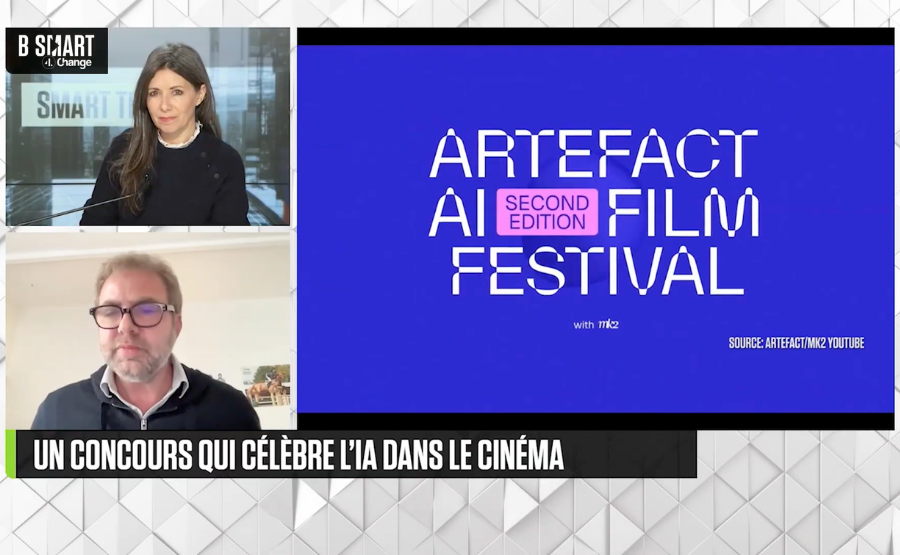
On the set of the show Smart Tech on B Smart, an economic and financial news channel, Delphine Sabattier gathered a panel of experts to analyze the challenges of AI in the world of cinema and thus launch the second edition of the AI Film Festival, co-organized by mk2 and Artefact.
To decipher this highlight, four speakers shared their vision alongside François Brogi: Angélique Gérard, president of the Stem Académie, Margarita Zlatkova, global director of development at Seedtag, and Julien Pillot, teacher and researcher at INSEEC.
The objective of this exchange was to define how generative AI is now integrated into cinematic production processes.
Acculturation and adoption: the challenges of AI
With 265 entries from 52 countries and 223 films in competition for this second edition, the festival has established itself as a major event. A strict rule is applied: artificial intelligence must be involved at every key stage: pre-production, production, and post-production.
For Artefact, this initiative has a clear objective: to enable creators to technically master AI, in order to alleviate the apprehensions surrounding it.
François Brogi refines this perspective:
Our doctrine, or our idea, is that the more people know, understand, and master the tools, the more they will see their limits, the more it will defuse fears, and the more they will have an informed opinion on AI.
This approach is reinforced by the analysis of Angélique Gérard, who highlights the emergence of a generation of “AI-native” directors, redefining the dynamics of the sector. According to her, cinema has always integrated technological advances, and artificial intelligence fits naturally into this continuity.
Margarita Zlatkova adds that AI is now positioned as a creative partner, offering new opportunities for expression to talents once limited by budgetary constraints.
Human direction: the artist at the center of the process
The debate revealed a significant evolution in the maturity of creators regarding artificial intelligence. Whereas the first uses of generative AI were often limited to automated results, current filmmakers are now mastering its tools to make them a lever at the service of their artistic vision.
François Brogi analyzes this evolution of the relationship with the tool:
“This year, we already see that the human (and therefore the artist) directs AI much better, which finally becomes someone on set like any other. […] We have the human in the intention, in the direction, and in the gaze.”
It is about moving from a discovery phase to a mastery phase where the machine executes a precise human will, thus avoiding the risk of a pilotless creation.
An ethical framework: the audit of creations
Faced with the concerns of Julien Pillot and Margarita Zlatkova regarding copyright and data exploitation, a rigorous verification protocol has been put in place by the festival, whose jury is presided over by Cédric Klapisch, director, screenwriter, and producer. The organization audits the creative roadmap of each work to guarantee the integrity of the process.
This rigor makes it possible to distinguish simple automation from true hybrid creation, like the artists who now train models on their own drawings to maintain total artistic sovereignty.
AI, a lever for artistic vision
The discussions confirm that AI has moved beyond the experimental stage to establish itself as a full-fledged production tool. The festival draws an essential lesson from this: technology, however powerful it may be, only makes sense in the service of the artists’ intention and sensitivity
Watch François Brogi’s session on B Smart
Discover the 7 winners of the second edition of the Artefact AI Film Festival.
This complementarity between technology and creation is verified in the awarded projects. Among the 20 finalists, 7 winners were designated, revealing the way in which AI, far from imposing itself, adapts to the requirements and universes specific to each director. A selection which confirms the emergence of a mature and reasoned use of these tools.
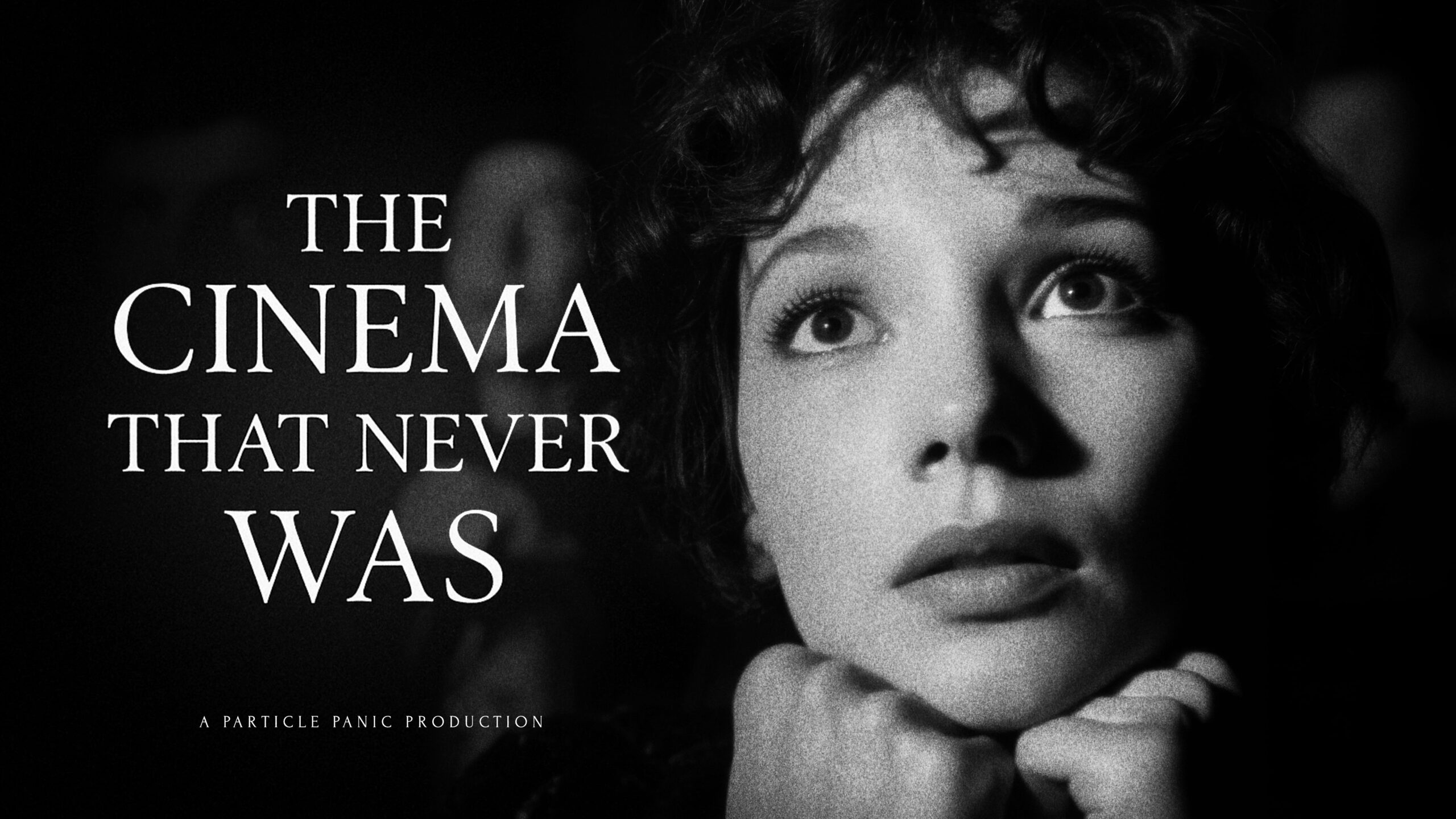
Big Prize: The Cinema That Never Was by Mark Wachholz.
A metaphorical reflection on lost films that were never written or imagined, exploring what cinema could have been.
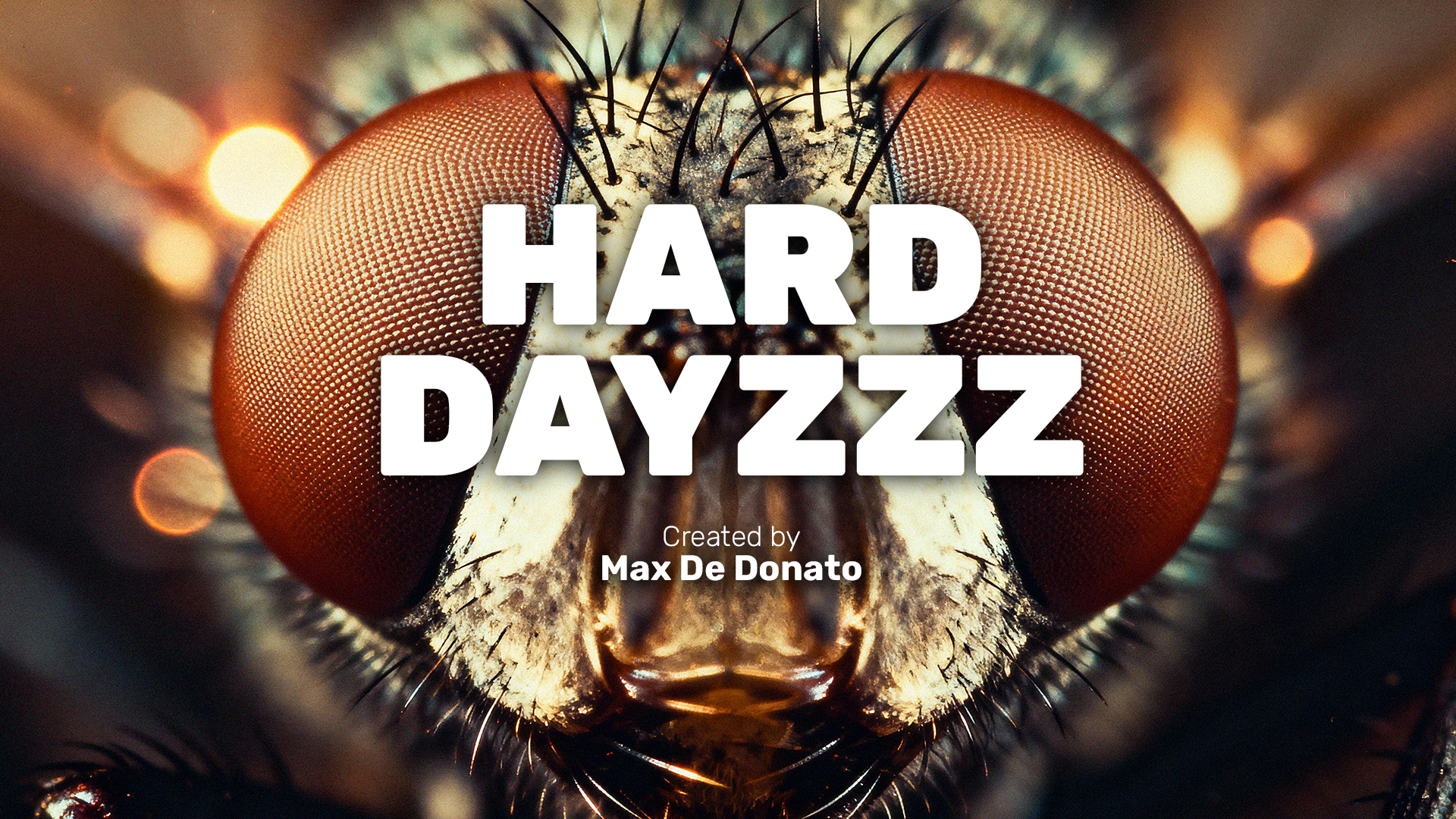
Jury Prize (Joint Winner): Hard Dayzzz by Max De Donato.
A sensory fable narrating the journey of a fly confronted with trials that question its place in the universe.
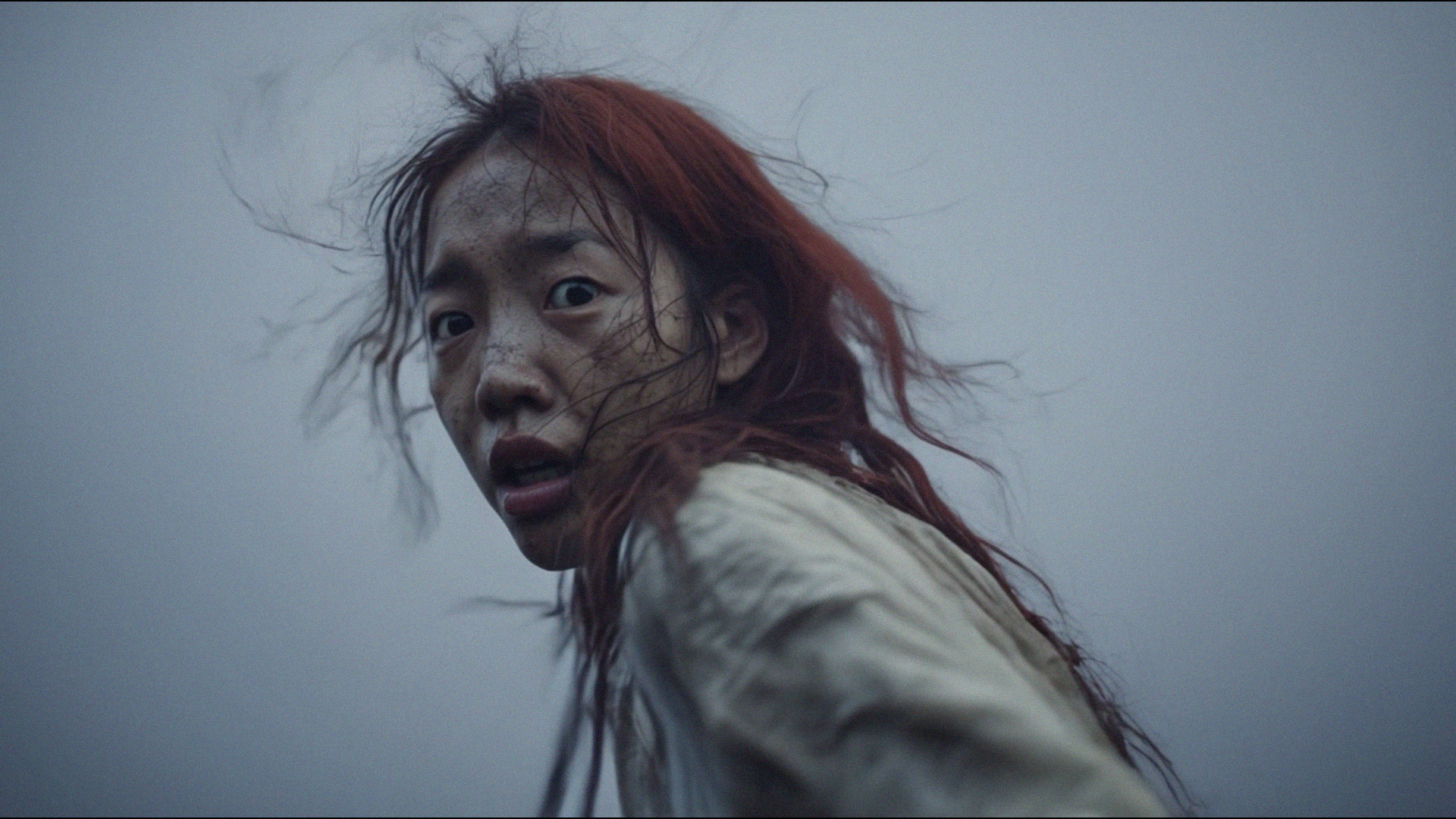
Jury Prize (Joint Winner): Roped by Cokau Lab.
A high-tension journey featuring a woman confronted by a mysterious rope.
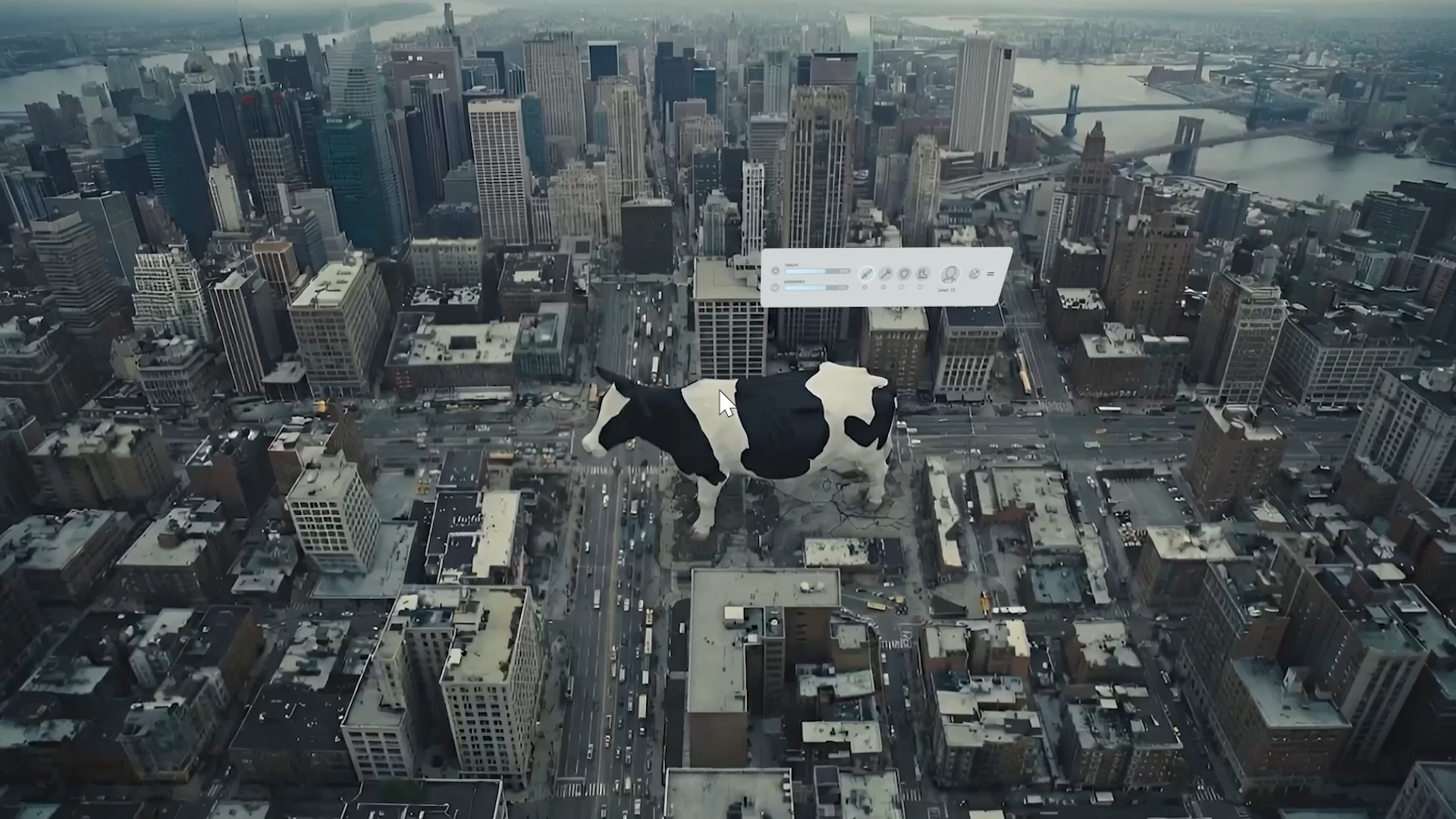
Audience Award: Arrow by Jiaze Li.
A short film where an arrow crossing the sky makes the world ‘editable’, forcing humanity to address its creator.
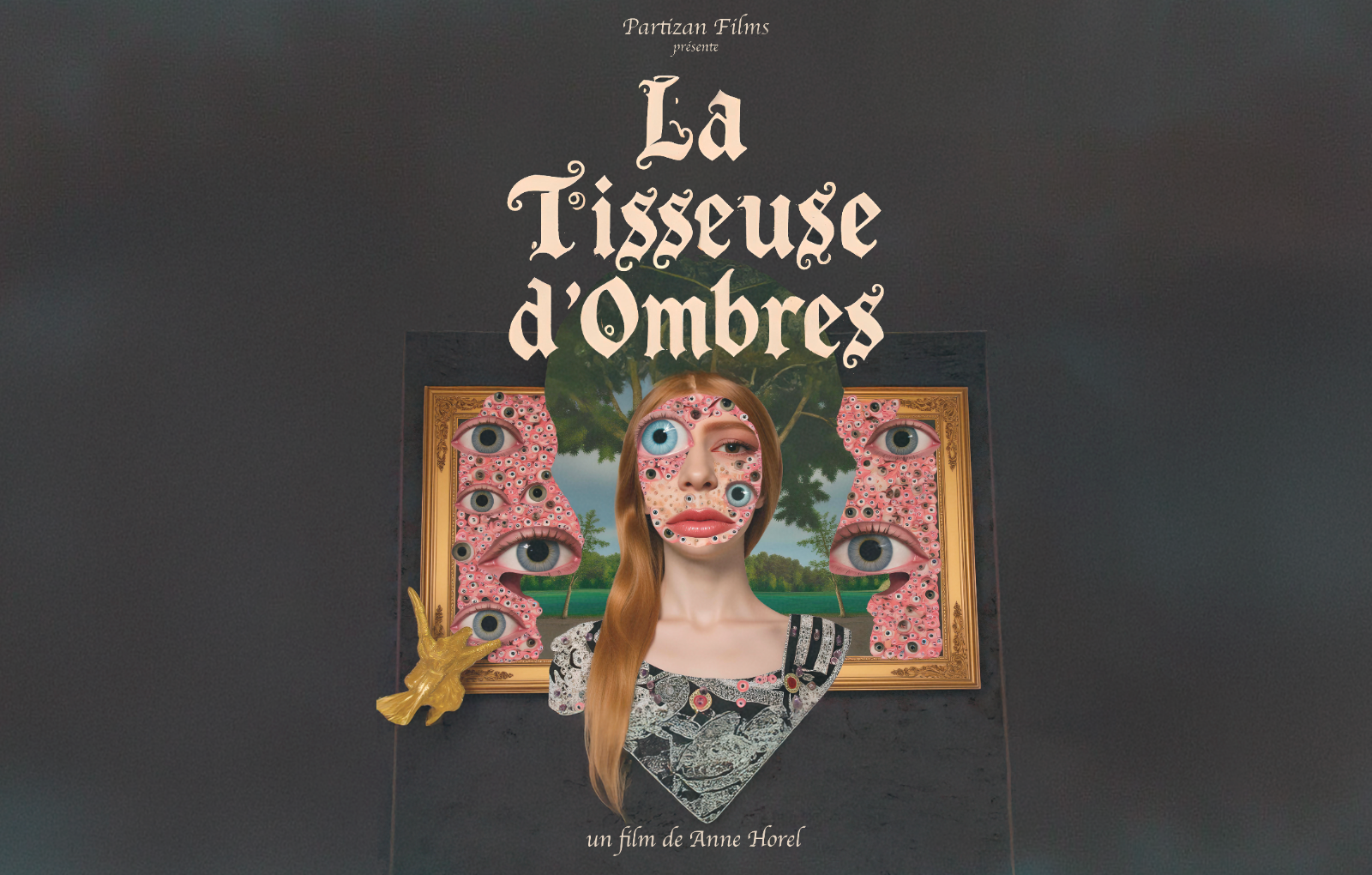
Artefact Best Use of AI Award: La Tisseuse d’Ombres by Anne Horel.
A baroque tale where a woman attempts to rediscover her uniqueness in a world where AI-mirrors catalogue and diagnose faces.
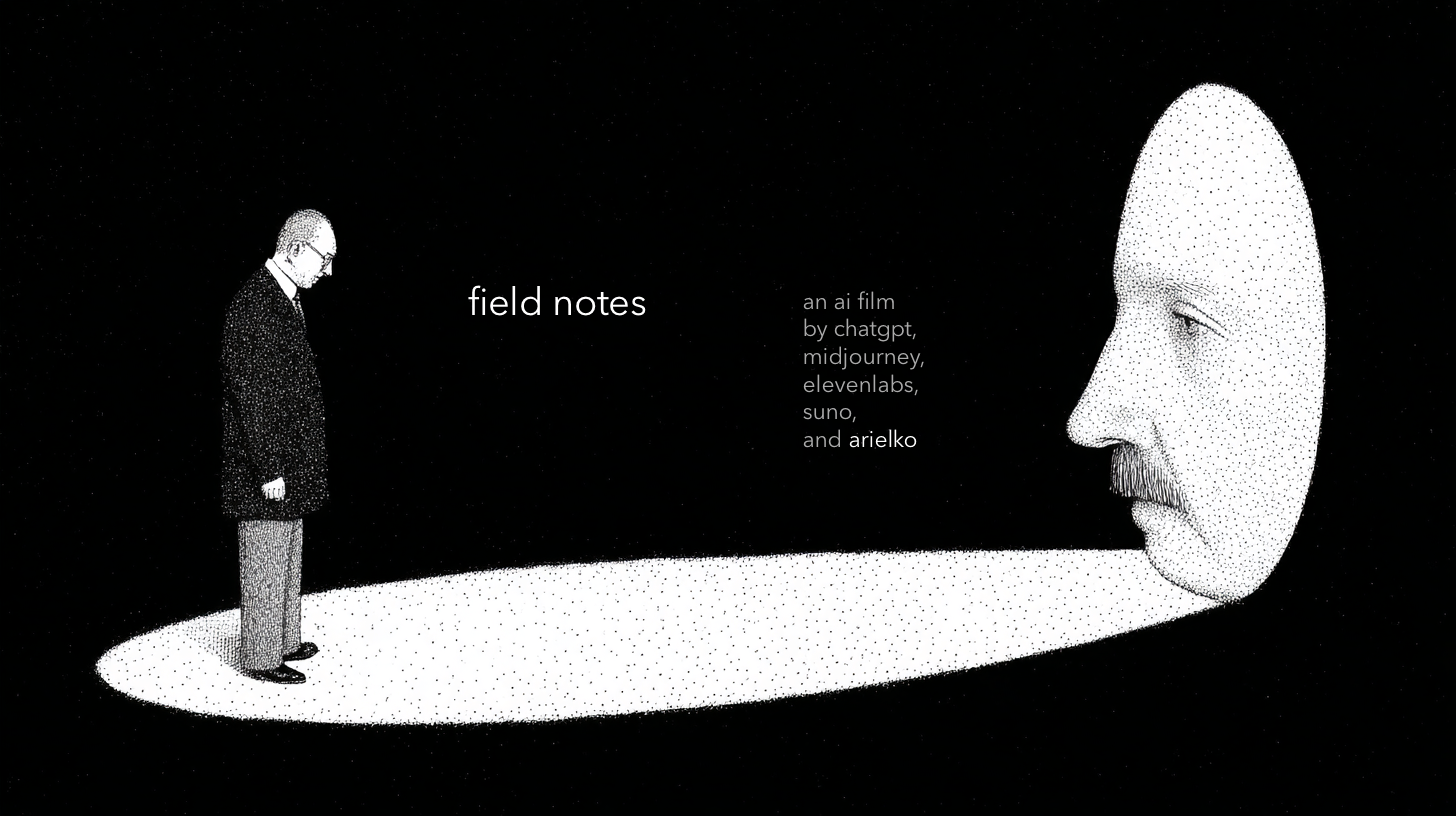
French Touch Prize: Field Notes by Ariel Kotzer.
An experimental work based on an AI’s intriguing responses to the question: “How does it feel to be you?”.
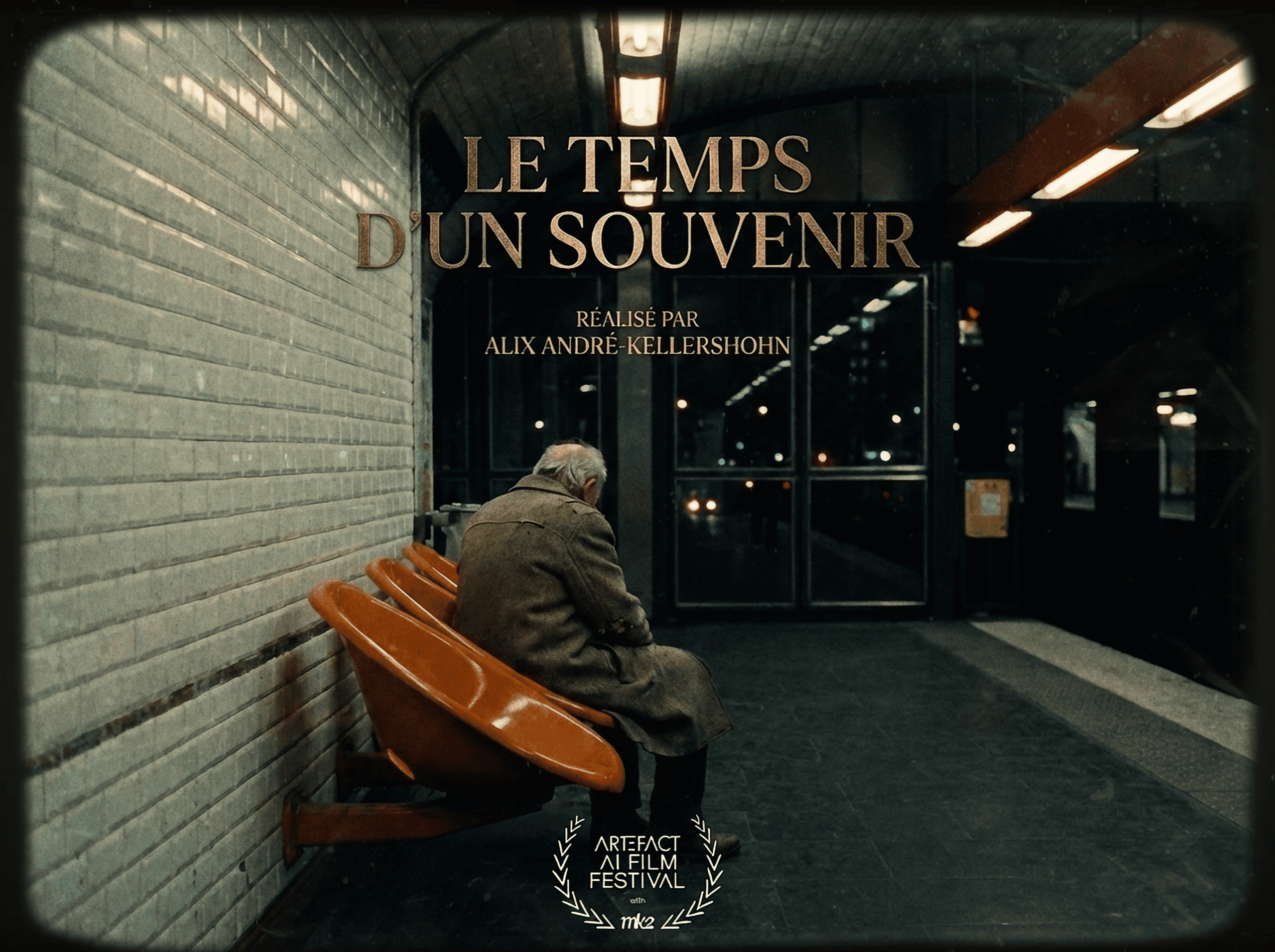
Paris Aéroport Prize: Le Temps d’un Souvenir by Alix André-Kellershohn.
The internal journey of an old man on the subway, carried away by his memories following an existential question.