

Autor

Autor

Autor

Im heutigen digitalen Zeitalter stehen Unternehmen vor der Herausforderung, mit dem beispiellosen Tempo der data-Erzeugung und der Fülle von Unternehmenssystemen und digitalen Technologien, die alle Arten von data sammeln, Schritt zu halten. Hinzu kommt die Notwendigkeit, diese großen Mengen an data schnell und effizient zu analysieren, um Erkenntnisse und Intelligenz zu generieren und so den Geschäftswert zu maximieren. Infolgedessen sind Big data platforms zu einer wesentlichen Grundlage für Unternehmen geworden, um effizient data Lösungen einzusetzen, die zeitnahe data-driven Geschäftsentscheidungen und Wettbewerbsvorteile ermöglichen.
“Data-Analyse- und Intelligenzlösungen verbreiten sich in Unternehmen, um das Geschäftswachstum zu ermöglichen. Unternehmen sollten große data platforms als solide Grundlage für den Einsatz von data-Lösungen in großem Maßstab aufbauen. Diese data platforms sollten speziell für Unternehmen entwickelt werden, denn sie sind nur so gut wie die Erkenntnisse und die Intelligenz, die sie ermöglichen. Und sie sollten zukunftssicher sein und von den ständigen Fortschritten bei data-Infrastrukturdiensten und -Technologien profitieren.”Oussama Ahmad, Data Beratender Partner bei Artefact
Hauptziele der Big Data Plattform
Big data platforms zielt darauf ab, data-Silos aufzubrechen und die verschiedenen Arten von data-Quellen zu integrieren, die für die Implementierung fortschrittlicher data-Analysen und Intelligence-Lösungen erforderlich sind. Sie bieten eine skalierbare und flexible Infrastruktur für das Sammeln, Speichern und Analysieren großer Mengen von data aus verschiedenen Quellen. Diese Plattformen sollten erstklassige data-Verwaltungsdienste und -Technologien nutzen und drei wichtige Ziele erfüllen:
Infrastruktur der Big Data Plattform
Es gibt mehrere Infrastrukturoptionen für ein großes data platform: vollständig vor Ort, vollständig cloud oder hybride cloud/On-Premise, jede mit ihren eigenen Vorteilen und Herausforderungen. Unternehmen sollten bei der Wahl der am besten geeigneten Infrastrukturoption für ihr großes data platform eine Reihe von Faktoren berücksichtigen, darunter data Sicherheits- und Residenzanforderungen, data Quellintegrationen, Anforderungen an Funktionalität und Skalierbarkeit sowie Kosten und Zeit. Eine vollständig cloud-basierte Architektur bietet niedrigere und besser vorhersehbare Kosten, sofort einsatzbereite Dienste und Integrationen sowie schnelle Skalierbarkeit, aber keine Kontrolle über die Hardware und erfüllt möglicherweise nicht die data Datenschutz- und Aufenthaltsbestimmungen. Eine vollständig vor Ort installierte Architektur bietet die volle Kontrolle über die Hardware und die data-Sicherheit, erfüllt in der Regel die Datenschutz- und Aufenthaltsbestimmungen, verursacht jedoch höhere Kosten und erfordert eine langfristige Planung für die Skalierung. Eine hybride cloud/vor-Ort-Architektur bietet das Beste aus beiden Welten und erleichtert die vollständige Migration auf das cloud zu einem späteren Zeitpunkt, kann aber eine komplexere Einrichtung erfordern.
Viele Unternehmen entscheiden sich für eine hybride Infrastruktur für ihre großen data platforms, weil sie hochsensible data (z.B. Kunden- und Finanzdaten) auf ihren eigenen Servern aufbewahren müssen oder weil es an staatlich zertifizierten cloud Service Providern (CSPs) fehlt, die die lokalen data Datenschutz- und Residenzanforderungen erfüllen. Diese Organisationen ziehen es auch vor, cloud-native oder nicht sensible data-Quellen im cloud zu behalten, um die Kosten für Speicher- und Rechenressourcen zu optimieren und die Vorteile von sofort verfügbaren data-Analysen und maschinellen Lerndiensten von CSPs zu nutzen. Andere Unternehmen, die keine organisatorischen oder gesetzlichen Anforderungen an die Ansässigkeit von data innerhalb des Unternehmens oder Landes haben, entscheiden sich für eine vollständig cloud-basierte Infrastruktur, um die Implementierungszeit zu verkürzen, die Kosten zu optimieren und leicht skalierbare Ressourcen zu nutzen.
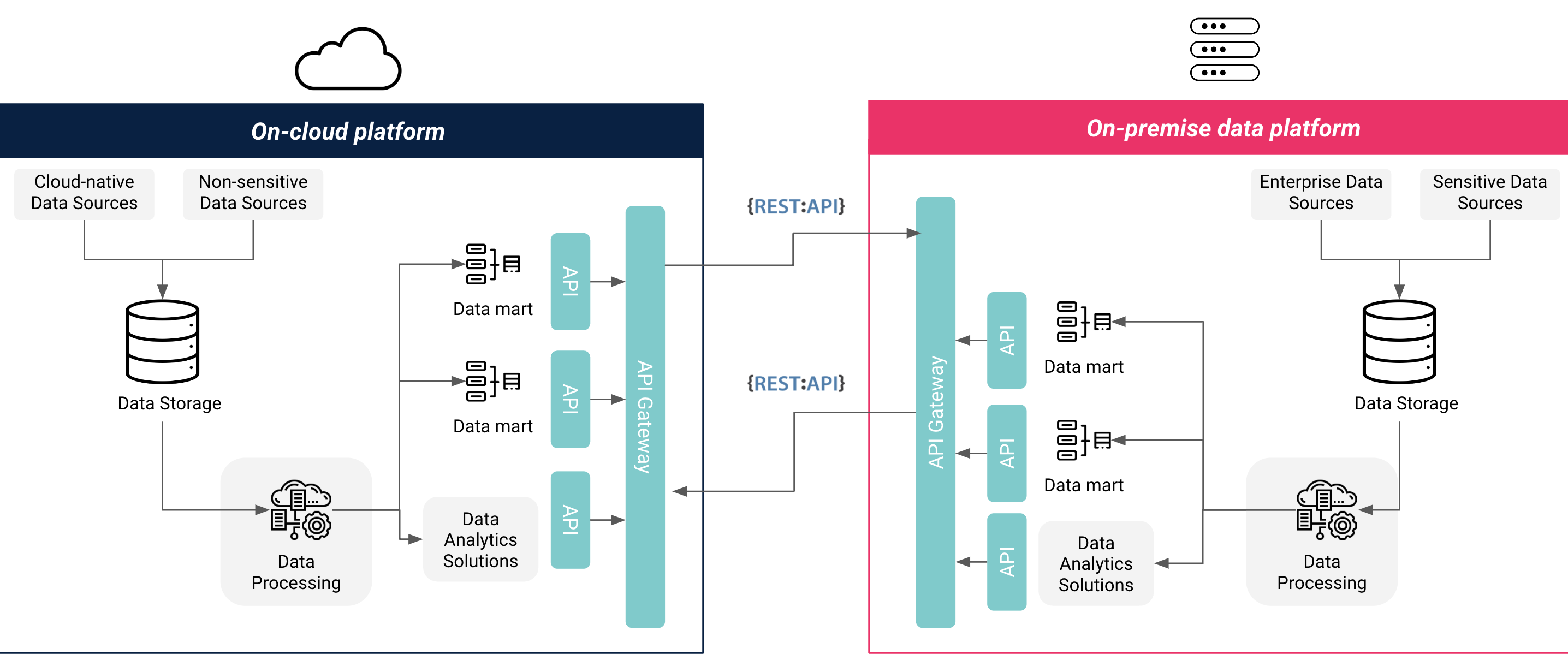
Abbildung 1: Hybride Cloud & On-Premise Data Plattform-Infrastruktur
Ein großes data platform umfasst in der Regel die Einrichtung von sieben Hauptebenen, die den data-Lebenszyklus von “rohem data” über “Informationen” bis hin zu “Erkenntnissen” widerspiegeln. Unternehmen sollten sorgfältig überlegen, welche Dienste und Tools für jede dieser Schichten erforderlich sind, um einen nahtlosen data-Flow und eine effiziente Generierung von data-Einsichten zu gewährleisten. Diese Dienste und Tools sollten in jeder Schicht der Big data platform wichtige Funktionen erfüllen, wie in Abbildung 2: Big Data Platform Data Layers dargestellt.
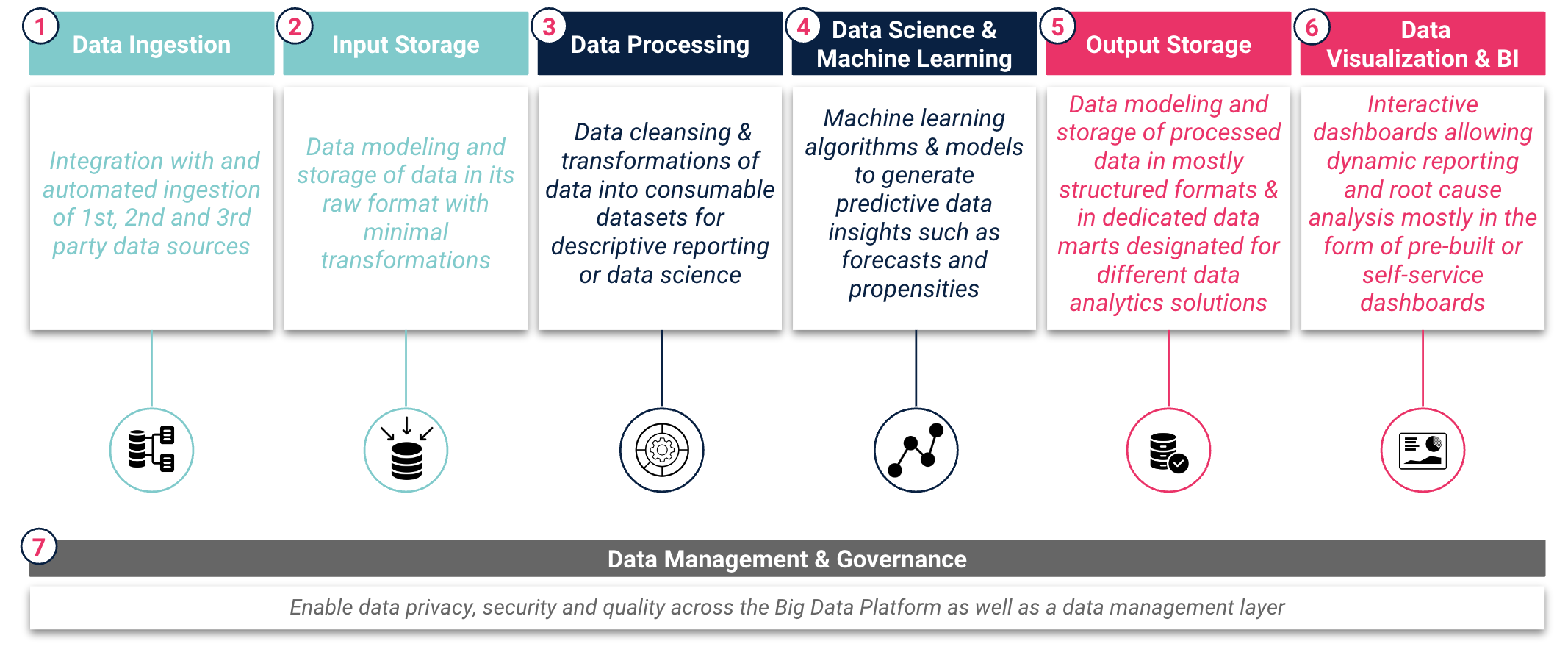
Abbildung 2: Große Data-Plattform Data-Schichten
Die Entwicklung der Big Data Plattform
Die Entwicklung eines Big data platform sollte mehrere Stufen durchlaufen, beginnend mit einer Minimum Viable Platform (MVP) und fortgesetzt mit schrittweisen Upgrades. Ein Unternehmen sollte die Entwicklung seines Big data platform mit den gestiegenen Anforderungen an umfassendere und schnellere data Einblicke und Intelligenz für Geschäftsentscheidungen synchronisieren. Diese gestiegenen Anforderungen wirken sich auf die Komplexität des Big data platform in Bezug auf data-Analyselösungen, data-Quellenvolumen und -typen sowie interne und externe Benutzer aus. Die Entwicklung des großen data platform umfasst die Hinzufügung von mehr Speicher- und Rechenressourcen, erweiterte Funktionen und Funktionalitäten sowie Verbesserungen bei der Sicherheit und Verwaltung der Plattform.
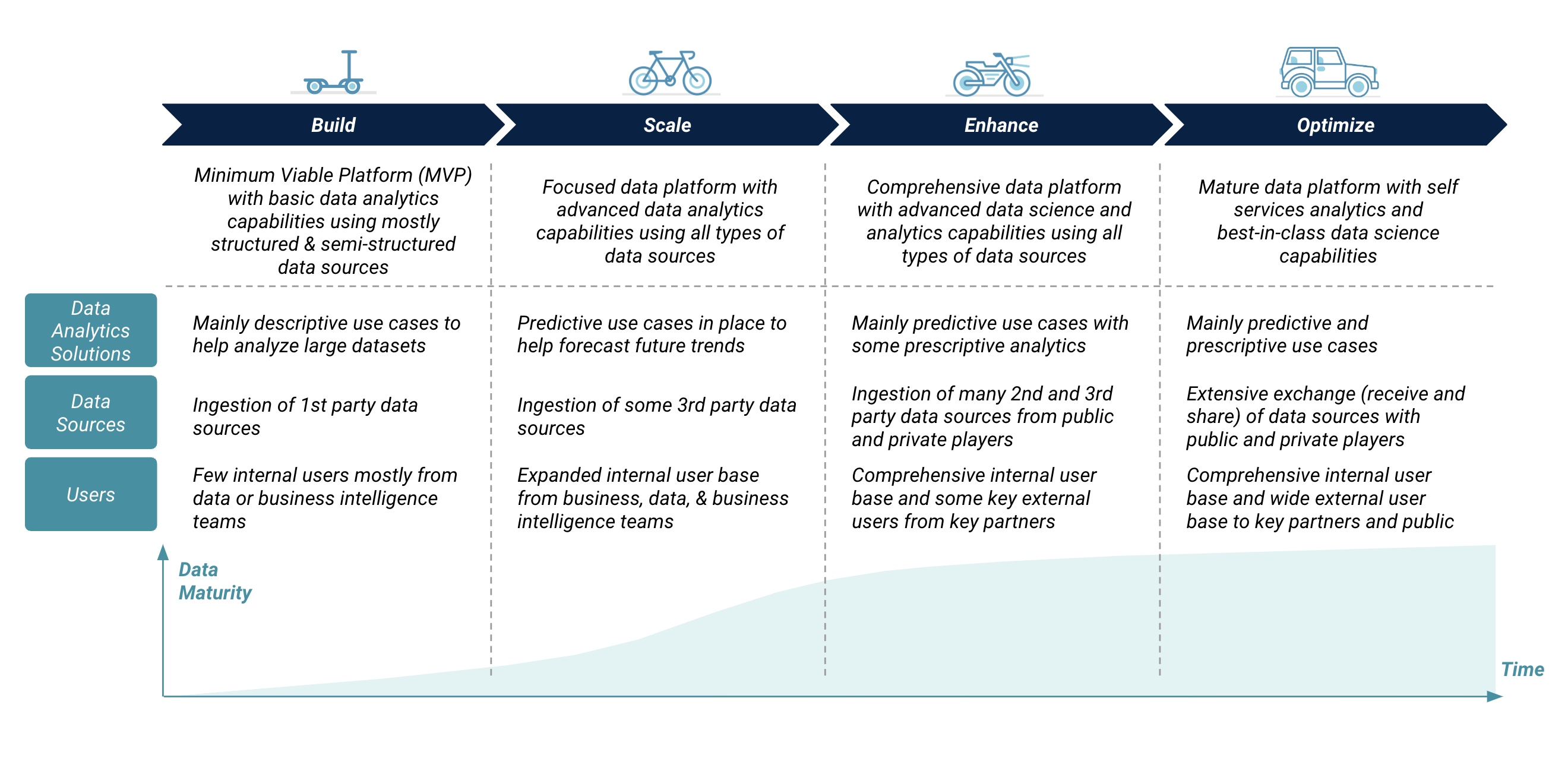
Schaubild 3: Big Data Plattform Entwicklung
“Wir haben festgestellt, dass viele Unternehmen dazu neigen, Big data platforms vom ersten Tag an mit erweiterten und unnötigen Funktionen auszustatten, was die Betriebskosten für die Technologie erhöht. Eine große data platform-Implementierung sollte mit einer minimal funktionsfähigen Plattform beginnen und auf der Grundlage der geschäftlichen und technologischen Anforderungen weiterentwickelt werden. In den frühen Phasen des Aufbaus der Plattform sollten Unternehmen eine robuste data governance- und Verwaltungsschicht implementieren, die data-Qualität, Datenschutz, Sicherheit und die Einhaltung lokaler und regionaler data-Gesetze gewährleistet.”Anthony Cassab, Data Beratender Direktor bei Artefact
Richtlinien für eine zukunftssichere Big Data Plattform
Ein großes data platform sollte nach wichtigen architektonischen Richtlinien aufgebaut werden, um sicherzustellen, dass es zukunftssicher ist und eine einfache Skalierbarkeit der Ressourcen, die Übertragbarkeit über verschiedene On-Premise- und cloud-Infrastrukturen, die Aufrüstung und den Ersatz von Diensten und die Erweiterung der data-Sammel- und Austauschmechanismen ermöglicht.
“Eine anpassungsfähige und modulare Plattform, die mit den sich entwickelnden Geschäftsanforderungen skaliert werden kann, ist einer “Black Box”-Plattform vorzuziehen, die zwar gut integriert ist, aber nur eine begrenzte Anpassung erlaubt. Diese Plattformarchitekturen können ganz oder teilweise im cloud aufgebaut werden, um die Vorteile des cloud-Computings, wie Skalierbarkeit und Kosteneffizienz, zu nutzen und gleichzeitig die Datenschutz- und Sicherheitsanforderungen der data-Schutzvorschriften zu erfüllen.”Faisal Najmuddin, Data Engineering Manager bei Artefact
Zusammenfassend lässt sich sagen, dass ein großes data platform Unternehmen zahlreiche Vorteile bietet, wie z.B. die Zentralisierung von data-Quellen, fortschrittliche data-Analyselösungen und den unternehmensweiten Zugriff auf data-Analyselösungen und Quellen. Die Implementierung eines großen data platform erfordert jedoch eine Reihe strategischer Entscheidungen, wie z.B. die Wahl der richtigen Infrastruktur(en), die Einführung einer zukunftssicheren Architektur, die Auswahl von Standard- und “migrierbaren” Diensten, die sorgfältige Berücksichtigung von data-Schutzbestimmungen und schließlich die Definition eines optimalen Entwicklungsplans, der eng mit den Geschäftsanforderungen verknüpft ist und die Rendite der data-Investitionen maximiert.